%2Ffit-in%2F250x250%2Fusers%2F4e41a3de-da3d-4e88-b911-c2392b705d97%2Fimages%2Fb1d1d35d-6acb-4a82-ac1a-8e8f65d23a1a.jpeg&w=1920&q=100)
Catch Atlantic Croaker Reedville VA
Atlantic Croaker Fishing in Reedville - What to Expect
%2F%2Fusers%2F4e41a3de-da3d-4e88-b911-c2392b705d97%2Fimages%2Fatlantic-croaker-reedville-fishing-catch-2660.jpg&w=1920&q=75)
Fishing Charter by Captain Benjamin Lane in July
- Top-rated Fishing Charters in Chesapeake Bay


Summary
Join Captain Benjamin Lane of River Wing Guide Services on a fishing charter through the waters of Reedville, Virginia, where Atlantic croaker are waiting to test your skills. This Thursday, July adventure brings together pristine Chesapeake Bay conditions and expert local guidance, making it the perfect outing for both seasoned anglers and newcomers seeking their next great catch.
Fishing Charter with Captain Benjamin Lane - Rates & Booking
Captain Benjamin Lane of River Wing Guide Services welcomes you on Thursday, July for an authentic fishing charter experience in Reedville, Virginia. Operating from the heart of Chesapeake Bay waters, Captain Lane brings years of local expertise to every outing, ensuring you have access to prime fishing grounds and proven techniques for landing Atlantic croaker and other Bay species.
This fishing charter is designed for anglers ready to experience what makes the Reedville area a destination for serious fishing. Whether you're targeting a specific species or exploring what the Bay has to offer, the charter combines expert guidance with the freedom to fish the waters you want to explore. All necessary equipment and local knowledge are provided to maximize your time on the water.
Ready to book your charter? Contact River Wing Guide Services directly to secure your spot and discuss any specific fishing goals you have in mind.
Highlights of Your Reedville Fishing Charter
The waters surrounding Reedville offer a dynamic fishing environment where Atlantic croaker congregate in reliable numbers during summer months. These aggressive fighters provide exciting action throughout the day, responding well to live bait and light tackle presentations. The marina dock location provides easy access and a comfortable starting point before heading into the deeper Bay waters where trophy-sized croaker hold.
What sets this charter apart is the combination of shallow-water action near the marina and the option to venture into productive offshore zones. Captain Lane's local connections and seasonal knowledge mean you're fishing where the croaker are actively feeding, not just hoping to stumble upon them.
Local Species Insights: Atlantic Croaker
The Atlantic croaker is one of the Chesapeake Bay's most abundant and reliable game fish, earning its reputation through consistent availability and spirited fight on the line. These fish inhabit the Bay's sandy and muddy bottoms, typically ranging from one to four pounds, though larger specimens are regularly encountered. The croaker gets its name from the distinctive sound it produces using specialized muscles against its swim bladder—a characteristic that helps identify your catch even before you bring it to the boat.
Croaker behavior changes throughout the tidal cycle and season. In summer, they tend to stay in slightly deeper water during the hottest parts of the day, moving into shallower channels and near structure during low light periods. They're bottom feeders, searching for small crustaceans, sand fleas, and other invertebrates, which is why live or fresh bait presentations prove most effective. The species thrives in the brackish waters of the upper Chesapeake, making Reedville an ideal base for consistent action.
The fishing environment here captures what makes Bay angling special—calm mornings transitioning to engaging midday activity, clear water visibility in certain zones, and the steady presence of these responsive fish. Captain Lane's knowledge of seasonal patterns ensures you're fishing during windows when croaker actively feed, maximizing your opportunities for multiple hookups throughout the day.
Beyond the immediate fishing experience, the Reedville location places you in a working waterfront atmosphere with deep maritime history. The marina setting connects modern recreational fishing with traditional Bay culture, creating an authentic backdrop for your charter adventure.
Plan Your Fishing Day
Your charter day typically starts before sunrise, taking advantage of early morning calm water and the croaker's natural feeding patterns. The marina provides all necessary amenities before departure, and Captain Lane ensures proper safety briefings and gear orientation. Most charters run four to eight hours depending on conditions and your preferences, giving you ample time to work multiple fishing areas and refine your technique.
The atmosphere on the water is relaxed yet focused—there's action to pursue but also the space to appreciate the Bay's natural beauty. Whether fishing solo or bringing friends and family, the charter accommodates different skill levels while maintaining consistent, engaging fishing throughout your time on the water.
Fishing in Chesapeake Bay: Atlantic Croaker
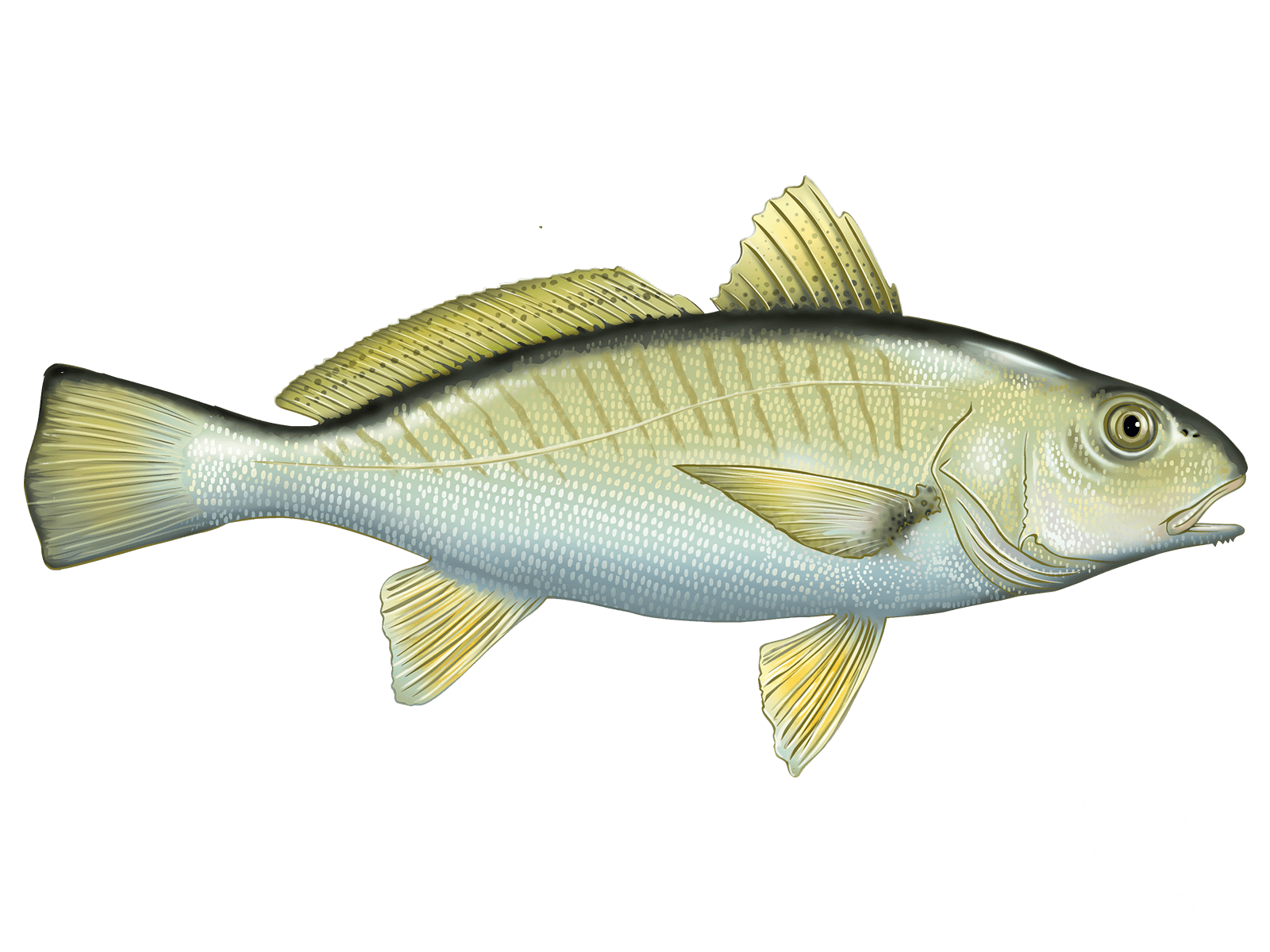
Atlantic Croaker Overview
The Atlantic Croaker (Micropogonias undulatus) is a distinctive pink-silvery fish belonging to the family Sciaenidae within the order Perciformes. Known for its striking oblique brown spots and elongated flat body, this small game fish has captured the attention of anglers and seafood enthusiasts along the Atlantic coast for generations. What truly sets the Atlantic Croaker apart is its remarkable ability to produce loud croaking sounds—earned from its reputation as the loudest member of the drum family. If you're planning a fishing trip to Chesapeake Bay or exploring estuarine waters from Massachusetts to Florida, understanding this vocal little fighter will dramatically improve your success on the water.
Atlantic Croaker Habitat and Distribution
The Atlantic Croaker thrives in a diverse range of aquatic environments, making it one of the most accessible game fish for recreational anglers. These native fish are commonly found in estuaries, offshore waters, and along continental shelves where muddy bottoms prevail. Their geographic range spans the Atlantic coast from Massachusetts down to Florida, with significant populations also inhabiting the Gulf of Mexico. One of the premier destinations for encountering Atlantic Croaker is the legendary Chesapeake Bay, where these fish make a predictable seasonal pilgrimage from March through October. They prefer depths ranging from 26 to 266 feet and thrive in water temperatures between 60.8 and 77 degrees Fahrenheit. During fall months, adult croakers migrate to continental shelves to spawn, then overwinter before returning to their estuarine homes as spring arrives.
Atlantic Croaker Size and Weight
The Atlantic Croaker is classified as a small game fish, though calling it small doesn't diminish its fighting spirit or appeal to anglers. The average Atlantic Croaker measures around 18 inches in length and typically weighs approximately 1 pound. However, trophy hunters should know that the largest Atlantic Croaker on record stretched 27 inches and tipped the scales at an impressive 8 pounds. What's particularly remarkable about this species is how quickly it matures—most individuals reach full adulthood by just 1 to 2 years of age, which explains why populations remain relatively robust in well-managed waters.
Atlantic Croaker Diet and Behavior
As dedicated bottom feeders, Atlantic Croaker spend their days methodically searching the ocean floor using their distinctive chin barbels—sensory appendages that help them locate food in murky water. Their diet is delightfully varied and includes crustaceans like shrimp and crabs, marine worms, mollusks, small fish, and organic debris. The most fascinating behavioral trait of the Atlantic Croaker is undoubtedly its acoustic communication. Males produce their famous croaking sounds to attract mates during spawning season, while females employ the same vocalizations as a fright response when threatened or hooked. If you successfully land an Atlantic Croaker, prepare yourself—you'll likely hear its distinctive protest call, a sound that has earned the species its common name and legendary status among anglers who've encountered them.
Atlantic Croaker Spawning and Seasonal Activity
Understanding the seasonal movements of Atlantic Croaker is crucial for successful angling year-round. These fish follow a well-established annual cycle that drives their distribution across different habitats. From March through October, Atlantic Croaker populations concentrate in estuaries and bays, including prime locations like Chesapeake Bay, making this period the peak season for recreational fishing. As water temperatures cool in autumn, mature fish migrate to deeper continental shelf waters where they spawn and establish overwintering grounds. This spawning season typically occurs in fall, and the eggs develop through winter in these deeper, more stable offshore environments. Come spring, the cycle repeats as water warms and adult Atlantic Croaker begin their return journey to estuarine nurseries, timing their arrival perfectly with the season's environmental changes.
Atlantic Croaker Techniques for Observation and Capture
Method One: Ghost Shrimp Bottom Rigging
For maximum success targeting Atlantic Croaker, gather ghost shrimp—their preferred natural meal—directly from the waters where you're fishing. Look for tiny holes in shallow sandy or muddy areas and carefully pump out these crustaceans for live bait. Rig them on a 6-foot medium rod with 12 to 20-pound test line attached to a double hook bottom rig. Use hook sizes 3 or 4, since Atlantic Croaker mouths aren't particularly large. Attach a 1-ounce egg weight to the leader line approximately 1 foot above your bait to keep the rig on bottom where these feeders actively hunt. Fish depths of 25 to 30 feet, focusing on channels and deep holes before or immediately after high tide.
Method Two: Alternative Natural Baits and Lures
If ghost shrimp aren't available, Atlantic Croaker respond enthusiastically to bloodworms, squid, and clams. Many experienced anglers have found remarkable success with gleaming artificial lures that catch the fish's attention underwater, particularly underspins and spoons that mimic baitfish. Bucktails also produce consistently good results. When using lures, work them slowly along the bottom and maintain contact with the substrate where Atlantic Croaker conduct their feeding operations.
Method Three: Seasonal Hotspot Fishing Around Chesapeake Bay
Around the Chesapeake Bay region, time your Atlantic Croaker expedition for the prime March through October window when fish populations surge into estuarine environments. Target areas with known channels and deep holes using the techniques mentioned above. Focus your efforts during slack tide periods just before and after high tide, when Atlantic Croaker activity typically peaks. Local guides in Maryland and Virginia consistently report best results using live ghost shrimp presented on the bottom in 20 to 30-foot depths.
Atlantic Croaker Culinary and Utilization Notes
Beyond their reputation as fighters and conversation pieces for their croaking abilities, Atlantic Croaker offer legitimate culinary value. These fish possess mild, flaky white meat with an average taste quality that appeals to many seafood enthusiasts. The meat is best enjoyed fresh and works well prepared simply—pan-fried, baked, or grilled. Given their small to moderate size and the regulations in many areas encouraging their harvest, taking home a few Atlantic Croaker for dinner represents a sustainable and delicious reward for your angling efforts. Local restaurants in coastal regions from Massachusetts to Florida occasionally feature Atlantic Croaker on their menus, particularly during peak season when supply justifies the preparation effort.
Atlantic Croaker Frequently Asked Questions
Q: What is the best bait for catching Atlantic Croaker?
A: Ghost shrimp stands as the most effective live bait for Atlantic Croaker, though bloodworms, squid, and clams also produce excellent results. Live bait outperforms artificial options, though gleaming lures like undersp ins and spoons can be effective when natural baits aren't available.
Q: Where can I find Atlantic Croaker near major East Coast fishing destinations?
A: Chesapeake Bay represents perhaps the most famous Atlantic Croaker fishery, with reliable populations from March through October. Additionally, estuaries and offshore waters along the Atlantic coast from Massachusetts to Florida and throughout the Gulf of Mexico consistently hold these fish. Look for muddy bottom areas in depths between 26 and 266 feet.
Q: Is Atlantic Croaker good to eat?
A: Yes, Atlantic Croaker offers mild, flaky white meat with average culinary quality. The fish tastes best when prepared fresh and works well with simple cooking methods like pan-frying, baking, or grilling. Many coastal communities consider them a worthwhile food fish.
Q: When is the best time to catch Atlantic Croaker?
A: The peak Atlantic Croaker season runs from March through October, with many waters experiencing best fishing during slack tide periods just before and after high tide. Focus your efforts during these windows for maximum productivity.
Q: Why do Atlantic Croaker make croaking sounds, and will I hear them if I catch one?
A: Atlantic Croaker produces croaking sounds by vibrating strong muscles against their swim bladder. Males use these vocalizations to attract mates, while females employ them as fright responses. Yes—you will very likely hear their distinctive croaking call when you successfully land one, a thrilling and unmistakable confirmation of your catch.
Q: How quickly do Atlantic Croaker mature, and does this affect fishing opportunities?
A: Atlantic Croaker mature remarkably fast, reaching full adulthood by just 1 to 2 years of age. This rapid maturation cycle helps maintain robust populations and means that even younger fish can reproduce, providing consistent fishing opportunities across many seasons and locations.